



Vegetation management planned for September and October 2026
Across the first half of this year, we've focused on building construction accesses and a temporary haul road so that we can reduce the need for construction traffic to use existing roads. To do this, we've had to carry out vegetation management (such as trimming, pruning, coppicing or removal) at various locations.
Vegetation management can only happen at certain times of the year. We're carrying out the next phase of these works from mid-September until the end of October.
A lot of work goes into planning and carrying out vegetation management as we are keen to ensure we minimise our impact on the environment and wildlife. When developing our proposals for the project, we carefully considered their potential impact and looked at how we could avoid, reduce or mitigate them. This is set out in our development consent order application, which was approved in September 2024.
Since then, we've continued to seek more ways to reduce our impact and we're pleased to have identified additional opportunities to reduce the amount of vegetation we need to clear. For example, we've reduced the number of construction accesses we need to build. This means we no longer need to carry out vegetation management at these locations.
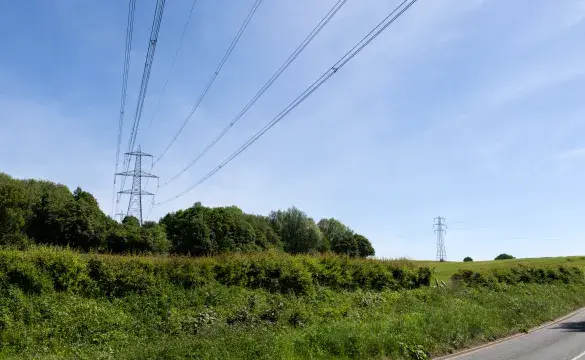
Despite this, it isn't possible to completely avoid impacts on trees, hedgerows and other types of vegetation. For example, where the new overhead line passes over existing vegetation, we need to maintain a safe distance between the top of the vegetation and the overhead line. In areas where we are building a temporary new haul road, we need to manage or remove vegetation where it could cause visibility issues for construction vehicles entering or exiting the haul road.
We're carrying out the latest phase of vegetation works from mid-September until the end of October 2026 as this is one of two times in the year that Natural England has granted us a dormouse mitigation licence. This period is also outside of nesting bird season.
Before any vegetation management can take place, we submit an application to your local council (and other organisations where specific permits are required). After review of our plans, we obtain the permissions or licences required for us to carry out the work. A qualified ecologist will then assess and check each area where works would take place. They remain on-site during any vegetation removal and have the power to stop works if required.
Much of the vegetation management that we need to do as part of the Bramford to Twinstead Reinforcement is for temporary works. In these cases, we will reinstate any vegetation removed in line with the Vegetation Reinstatement Plan included in our DCO application. Before we carry out any reinstatement planting, we'll submit a detailed plan showing the locations of the work to your local council for approval.
More information about current and upcoming construction works, including vegetation management, can be found on the 'What's happening now?' page of our website. You can also sign-up to receive construction updates via email or WhatsApp here.