



South Shields substation works
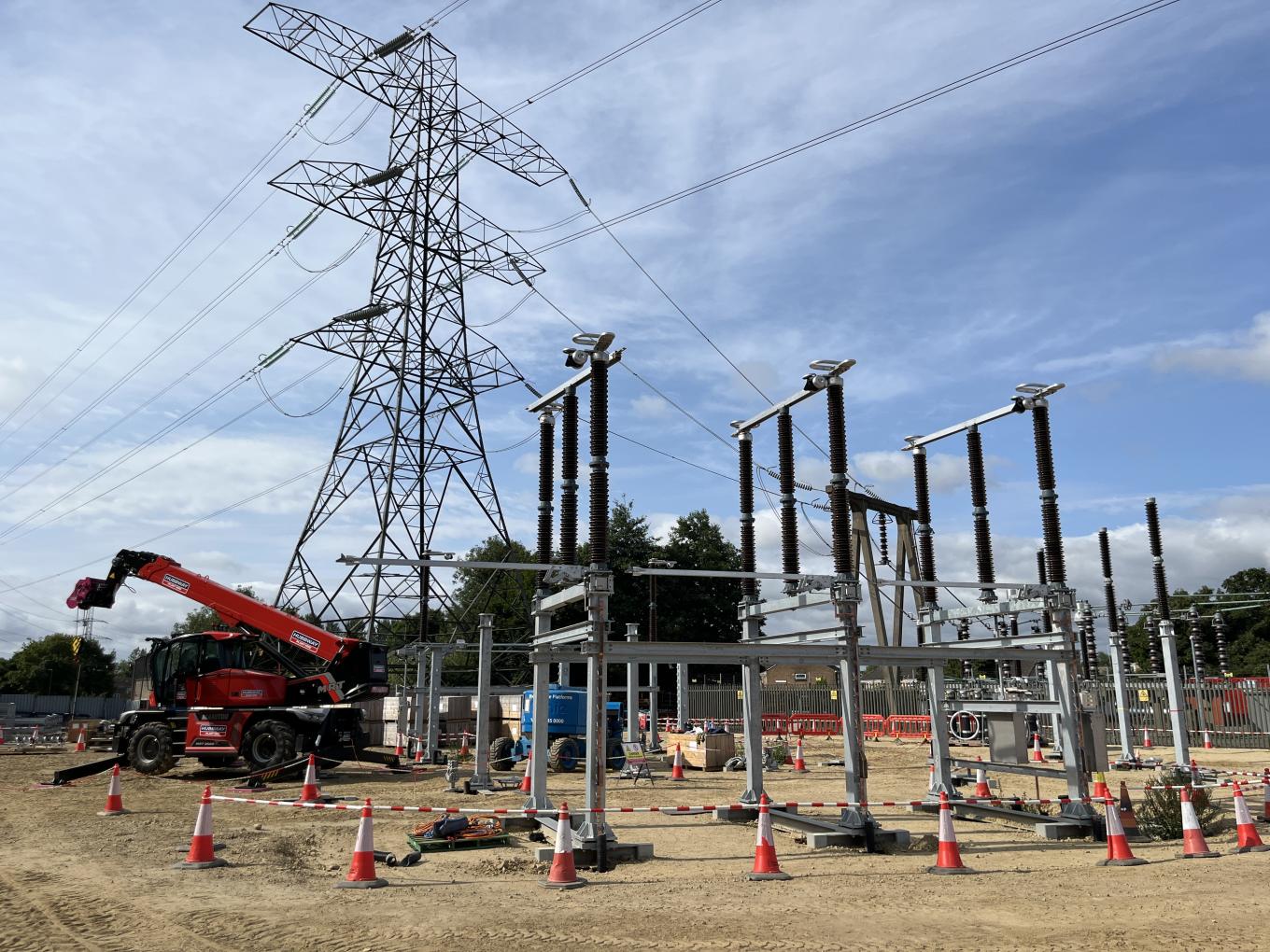
Work to install new Power Flow Control (PFC) equipment at South Shields substation is currently taking place. Technologies like PFC can help to make the existing network more efficient, intelligently pushing and pulling power across circuits and routing it to where capacity is available, freeing up electricity flow.
As we continue to reduce our reliance on fossil fuels and increase the amount of clean energy that is generated, we will be using more electricity than ever. That means we will need a resilient electricity grid that is able to carry all this extra electricity to wherever we might need it.
Installing PFC technology at our substation in South Shields will allow us to provide a more efficient flow of electricity around the country.
The project forms part of National Grid’s continued investment in its network across the North East, with £8.6 billion of investment planned between 2026 and 2031 to maintain, upgrade and develop our network.
The new technology at South Shields substation will ensure that the site continues to play a key role in supplying electricity to homes and businesses in the area.
To see how our works are progressing, watch the video below, showing site progress in Spring 2026.
Our work to date
The main construction work started on site in Spring 2025 and we anticipate that works on site will complete in Summer 2028. The work is being undertaken by our contractor – Omexom.
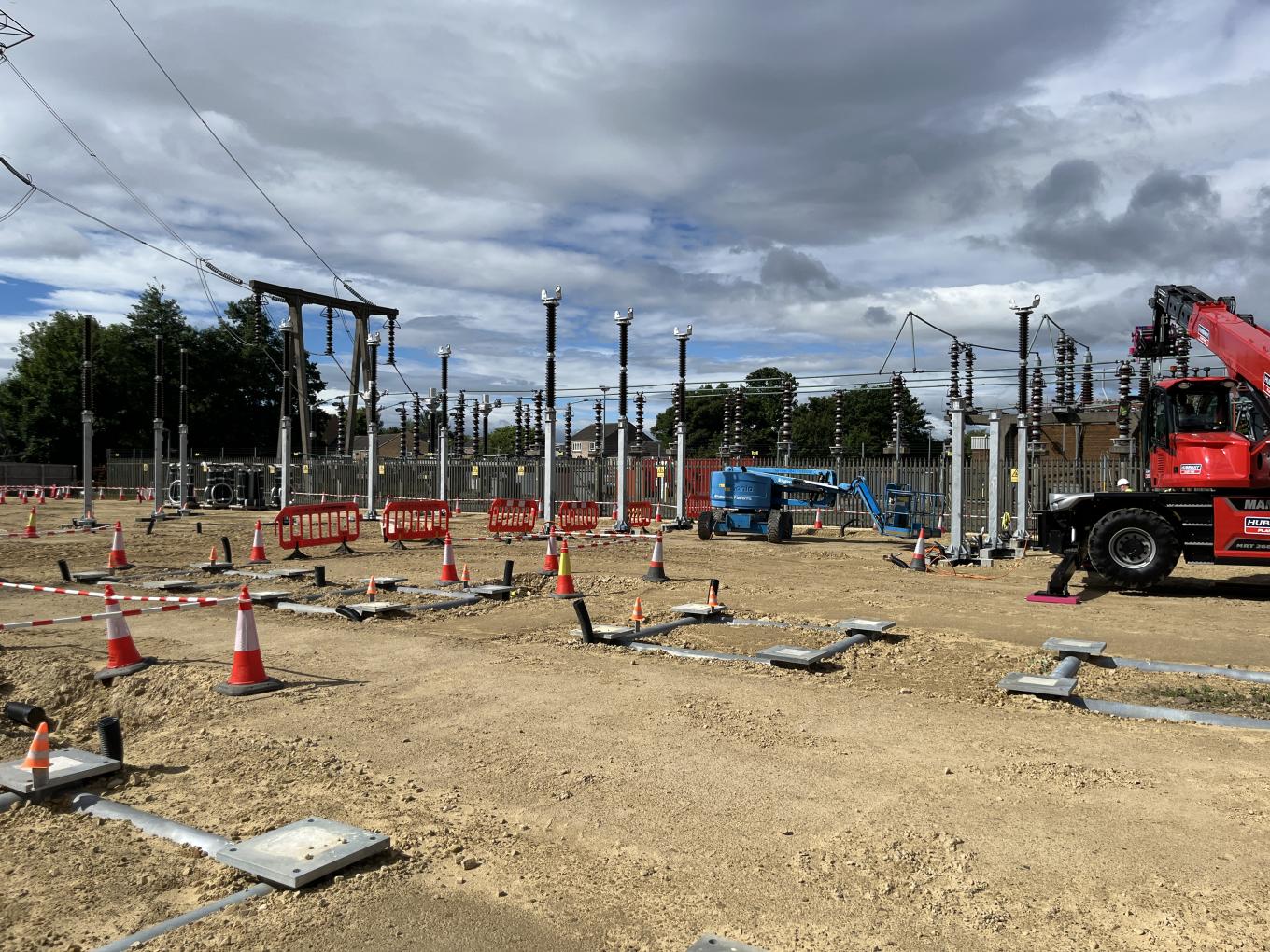
In the first phase of the project, we completed ground remediation work that included creating foundations for the new equipment to be built on.
We’ve used the screw pile method to build the foundations, which is less disruptive than other piling methods, as this creates a hole by twisting, rather than pounding, a pole into the ground.
We’ve also been constructing new internal roads within the new part of the substation compound.
Once the piling works are completed, civils work will take place on site, including the construction of new internal roads within the new part of the substation compound and ducting works ahead of the equipment installation beginning in March 2026.
Project newsletters
To find out more information about our work and what’s coming up, read our project newsletters.
- South Shields Newsletter 1 August 2025
- South Shields Newsletter 2 December 2025
South Shields Newsletter 3 June 2026
Sign up here to received relevant updates about the South Shields PFC project.
Community news
Last April we opened our gates of the substation to welcome a special guest, South Shields lad Ted Elliott, a seven-year-old pylon enthusiast. Find out more here.
We are thrilled that Bright Futures NE and South Shields Football Club Foundation have been awarded almost £10,000 each by our Community Grant Programme. The money will help the Bright Futures charity deliver a young women’s education and inclusion programme, which will support vulnerable and disaffected young women aged 12 to16 who are at risk of exclusion from mainstream education. For more information about Bright Futures NE, please visit: www.brightfuturesne.co.uk
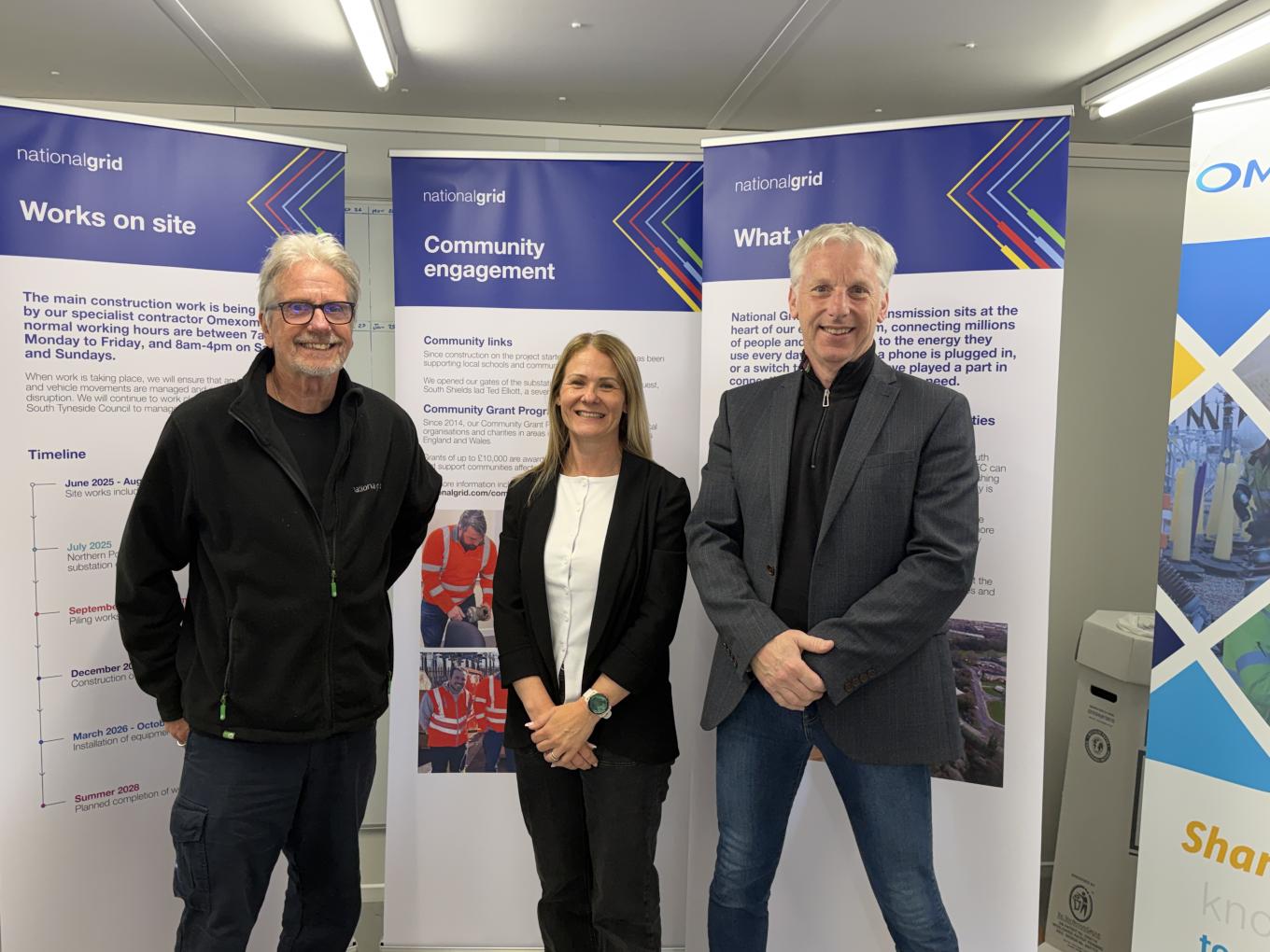
South Shields Football Club Foundation will be put their grant towards setting up a new community cafe to reduce isolation, alongside the installation of brighter, more efficient outdoor LED lighting for the car park at its site. Jill Charlton and Steve Camm from South Shields Football Club Foundation recently visited South Shields substation and met with Lead Project Manager Steve Reynolds to discuss the donation.
Coming Up
Once the work to prepare the ground is complete, construction of the structures which will support the new equipment will take place.
We will try to minimise disruption to the local road network and noise will be kept to a minimum. We appreciate the cooperation and understanding of the local community during this vital work.
Other works
Northern Powergrid are undertaking work in the local area. This work will include some partial road closures, with temporary traffic lights in place. Visit the Northern Powergrid project website for further information.
Other National Grid projects in the region include the Tyne Crossing Strategic Replacement scheme.
Timeline
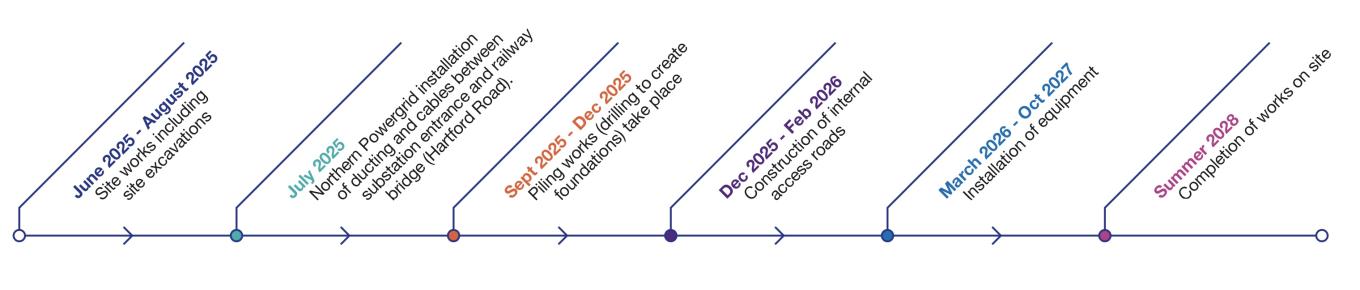
Key milestones for the project include:
Powering the site
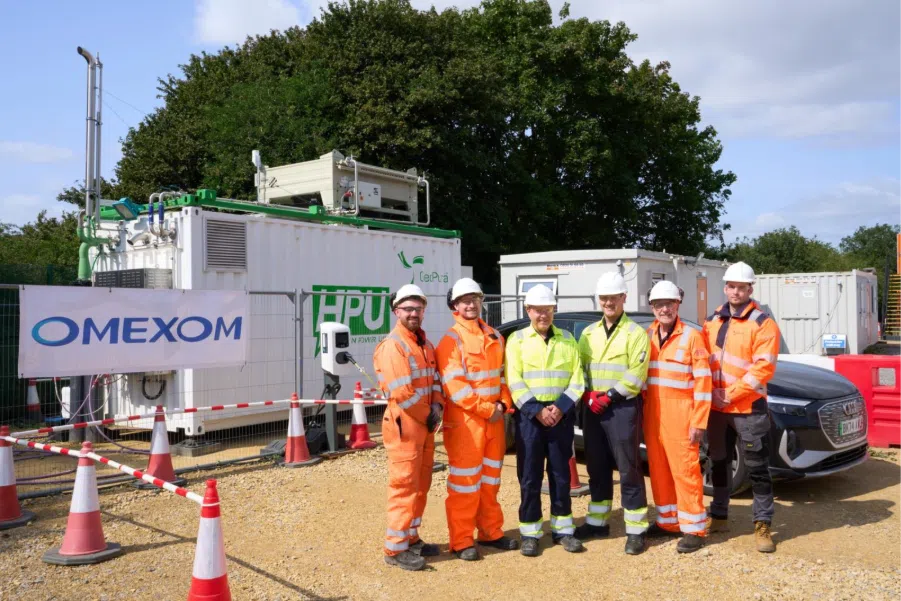
On site, we’ve been using a hydrogen-powered welfare unit to help cut emissions and improve working conditions.
As part of our commitment to reduce carbon emissions and improve sustainability across construction sites, the project team opted to power its welfare cabins with hydrogen from day one - avoiding the use of a diesel generator entirely. The unit is cleaner and quieter than other traditional generators.
Delivered in collaboration with our contractor, Omexom, the Hydrogen Power Unit (HPU), developed byGeoPura, supplies zero-emission electricity to run kitchen facilities, heating, lighting, changing areas and EV charging infrastructure.
Diesel generators remain common across construction sites, but they bring significant drawbacks, from high carbon emissions and local air pollution to noise and maintenance challenges. At South Shields, the team saw an opportunity to start using hydrogen to deliver power with none of the usual downsides.
The hydrogen unit is quiet, reliable, and produces no fumes - a major benefit for teams working close to residential areas. The fuel cell emits only water vapour, and the integrated battery system provides smooth, consistent power even during peak demand. On site teams have already noted the improvement, particularly in air quality, noise levels and the simplicity of the refuelling process.
From 16 October 2024 to 1 June 2025, the hydrogen system has displaced 65 tonnes of CO₂ emissions compared with a diesel generator of equivalent output. The contract has now been extended, allowing the team to continue benefiting from the emissions savings, improved air quality, and quieter operation.
Have your say
National Grid is committed to engaging with communities at every stage of the project. Our dedicated community relations team works with local residents, businesses and community groups to ensure our work causes as little disruption as possible. Prior to the beginning of the main works, we held a local information event in Summer 2024, providing an opportunity for local residents to meet the project team, learn more about our proposals and ask any queries.
Community Grant Programme
Our Community Grant Programme is aimed at organisations and charities in areas where National Grid’s work impacts local people through our operations and site activities.
We provide grants for community-based initiatives run by charities and community groups that meet local community needs by providing a range of social, economic and environmental benefits.
If your project meets our criteria, you can apply for a grant of up to £10,000.
To find out more about how to apply, click here.