



Five years beneath the Mendips: underground cables programme comes to a close
The Hinkley Connection Project has completed its underground cables programme through the Mendip Hills, bringing an ambitious and complex chapter of engineering and construction to a close and moving the wider project another step closer to completion.
Since construction began at the start of 2021, the team has laid an 8.5-kilometre underground cable route between Loxton and Sandford through the Mendip Hills National Landscape. The route is made up of 12 high-voltage cables laid across four underground trenches.
One of only a small number of 400 kV underground cable routes in the UK, the underground route enabled 35 pylons to be removed, leaving part of one of the region's most distinctive landscapes pylon free for the first time since the 1930s.
Delivered in collaboration with Balfour Beatty, the programme has involved much more than installing cables. Along the way, the teams have carried out major engineering operations, revealed thousands of years of local history and carefully restored the landscape following construction.
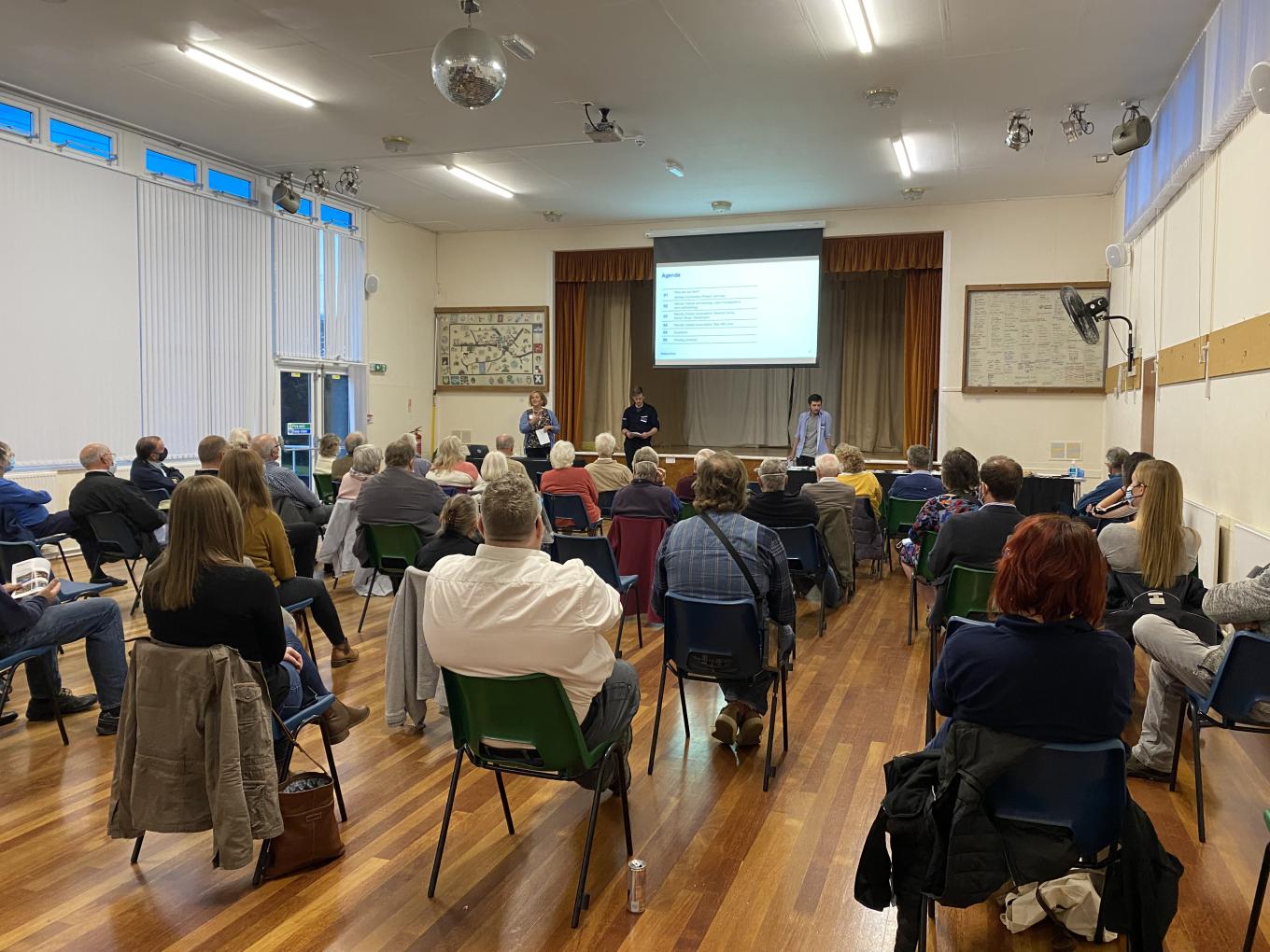
One of the earliest stages saw archaeological teams working along the route, uncovering building structures, burials, intricate weapons, coins and 250,000 pieces of pottery and animal bone. Following the completion of excavations in September 2021, the team shared its discoveries with around 50 members of the local community, including Banwell Archaeological Society and local parish councils, at an event showcasing artefacts from the works.
Just a few months later, in January 2022, all 12 cables had been pulled beneath the Mendips. Completing the operation required 108 drums of cable, each standing five metres high and weighing between 35 and 50 tonnes, illustrating the immense scale of the undertaking.
With the new infrastructure in place, attention turned to removing the existing overhead network. By April 2022, the last of the pylons through the Mendip Hills had been taken down, completing the transformation of the landscape.
As the main construction activity wound down, the focus shifted to returning the land to its previous condition and removing temporary infrastructure. This included 30 culverts and five bridges installed to provide access during the works.
Among them was a 177-metre, 21-tonne temporary bridge just north of Tarnock. Installed in September 2019, it was the first temporary bridge to arrive and, fittingly, the last to leave when it was removed in December 2025.
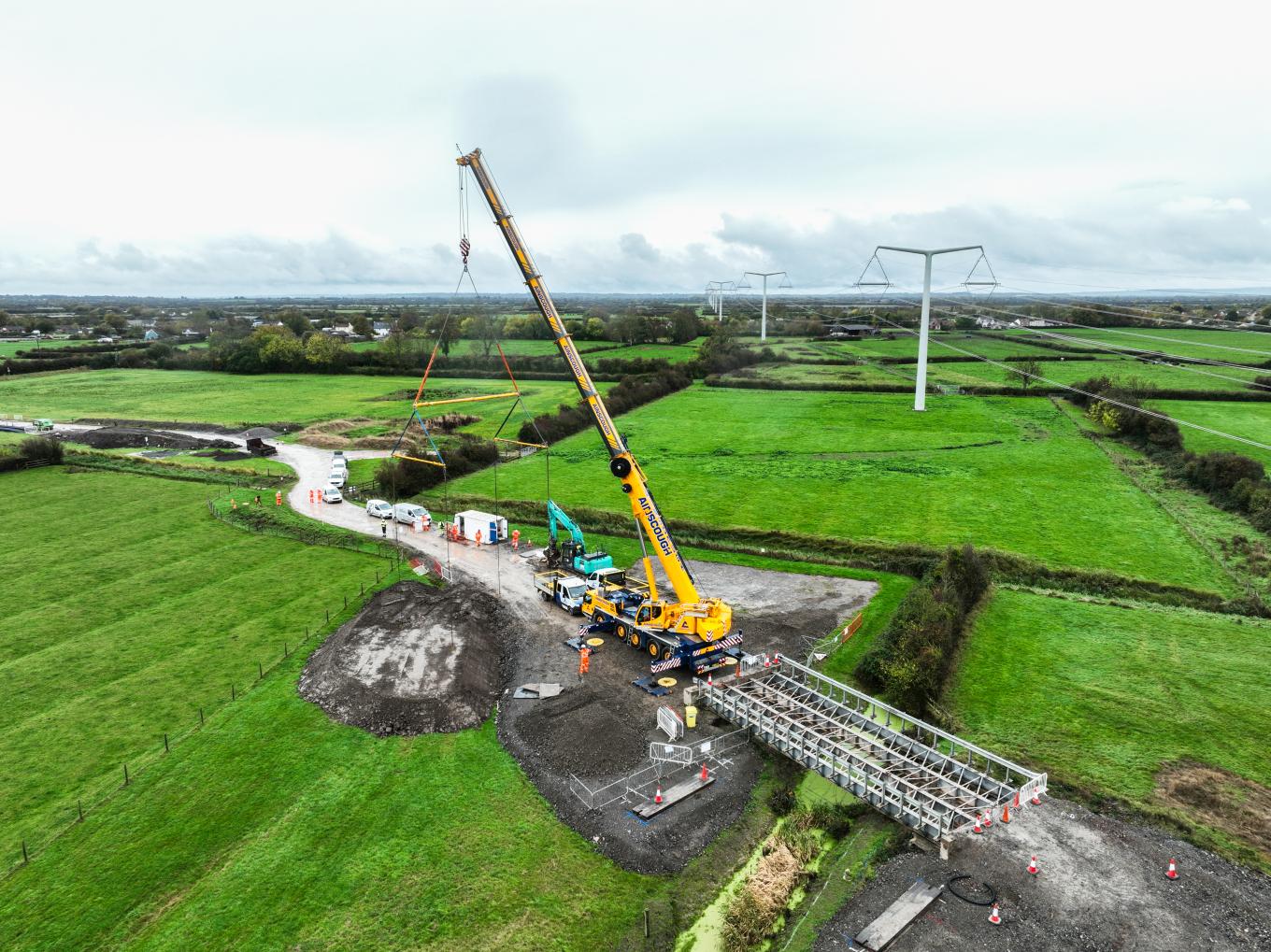
Over recent months, the remaining works have steadily fallen into place. This has included removing the temporary access junction and doing remedial works along Towerhead Road, and dismantling the Towerhead Road site offices.
As the final piece of reinstatement, the team has constructed a new permanent Grasscrete access road between Sandford Substation and Towerhead Road in Banwell. it will provide long-term access for National Grid to safely inspect and maintain the cables, as well as access for emergency services. As grass establishes across its surface, the road will increasingly blend into the surrounding countryside.

Robbie Griggs, Project Manager at National Grid, said:
After half a decade of construction and reinstatement, it's incredibly rewarding to see the underground cables programme reach the finish line. Delivering complex infrastructure through the Mendip Hills has been a huge engineering achievement, made possible by the expertise, care and commitment of our teams and our delivery partner, Balfour Beatty. What makes this programme particularly special is its lasting legacy. The cables will play an important role in delivering homegrown, low-carbon electricity to homes and businesses for decades to come, while above ground we've been able to remove pylons and carefully restore the landscape for the communities who know and love it.
To find out more about the Hinkley Connection Project and the latest project updates, visit: nationalgrid.com/hinkleyconnection.