




Making energy efficient holiday choices: The gift that keeps on giving
National Grid customers will soon begin celebrating the holidays by decorating their homes and cooking for friends and family. While holiday ornaments bring joy and sparkle, older incandescent lights and power-hungry decorations can increase your energy costs as they drain electricity fast. This season, give yourself the gift of smart energy choices by making energy efficiency part of your holiday plans, keeping the spirit up while turning your costs down.
Upgrade your lights
Upgrading holiday lights from traditional incandescent mini bulbs to LED bulbs can make a difference for the environment and customer energy bills. According to the U.S. Department of Energy, LEDs use up to 90% less energy and could last 25 times longer than incandescent bulbs.
| Type of Bulb | Energy Consumed | One-Day Cost | Holiday Season |
|---|---|---|---|
| C-9 (2-inch) incandescent | 700 | $0.95 | $35.15 |
| C-9 LED | 100 | $0.14 | $5.18 |
| C-7 (1.5 inch) incandescent | 500 | $0.68 | $25.16 |
| C-7 LED | 50 | $0.07 | $2.59 |
| Mini incandescent | 40 | $0.05 | $1.85 |
| Mini LED | 7 | $0.01 | $0.37 |
While the upfront cost of LED holiday lights may be higher, their durability pays off in the long run. LED bulbs can last up to 50,000 hours, compared to 3,000 hours of life for an older incandescent bulb. Incandescent bulbs also present a potential fire hazard, as they become warm to the touch, whereas LED bulbs always stay cool.

Reconsider your connections
A regular power strip still uses power when the items plugged into it are switched off. Additionally, some devices — when turned on — may enter standby mode and continue to consume electricity. Choosing an advanced power strip cuts power to devices turned off while providing service to items that are on. Eliminating phantom electricity by unplugging home electronics can save up to 10% a year.
Also consider connecting indoor or outdoor lights to a timer or smart plug to automatically switch decorations on and off, and prevent needless energy usage from forgetting to turn off decorations.
Additional holiday energy-saving tips from National Grid
- Consider the cost of inflatable yard decorations. They may be fun to look at, but inflatable yard ornaments are among the holiday’s largest energy consumers. Large snow globes consume about 150 watts per hour, while animated inflatables consume around 200 watts. Keeping just one item inflated for 15 hours a day could add as much as $6 per month to a bill.
- Make smart choices when cooking. Review recipes to determine the right tools for the job. Use the smallest appliance, pan and burner possible while cooking to save energy. And when using an oven to prepare a meal, keep its door closed as much as possible to prevent heat loss and reheating of the appliance.
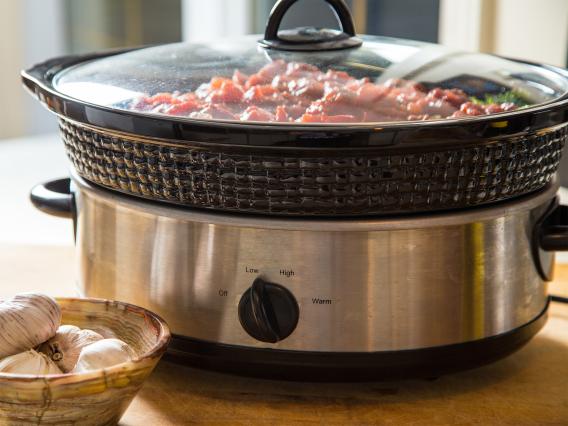
- Slow cookers and electric pressure cookers use less energy than ovens. Both countertop devices heat smaller spaces more efficiently and lose less energy due to their insulation. An electric oven at 350 degrees uses an estimated 2 kilowatt-hours. By comparison, slow cookers utilize approximately 0.1 kilowatt-hours. Electric pressure cookers, which reduce cooking time of traditional oven recipes by up to 70%, use 0.36 kilowatt-hours for 15 minutes of operation.
- Look for the ENERGY STAR® label when buying or replacing appliances. ENERGY STAR® certified appliances reduce energy costs by 10% to 50% over their lifetime. For example, replacing a refrigerator that is older than 15 years with an ENERGY STAR® certified refrigerator can save up to $1,000 over the lifetime of the unit.
National Grid is committed to providing our customers with a variety of energy-saving tips and billing options to help manage winter bills. Customers in need of billing assistance or additional support can visit our Here For You website to learn more.
About National Grid
National Grid (NYSE: NGG) delivers electricity and natural gas to more than 20 million people across New York and Massachusetts. We’re committed to meeting our customers’ energy needs and supporting economic growth across the regions we serve—providing safe, reliable energy today and building the resilient networks of the future. National Grid Ventures, our commercial business, develops and operates infrastructure that delivers affordable and reliable energy to consumers. National Grid Partners, our venture capital and corporate innovation arm, invests in and collaborates with technology companies that are accelerating the future of energy and helping new technologies reach critical scale faster.
For more information, please visit our website, follow us on X, watch us on YouTube, like us on Facebook and find us on Instagram.