




The idea of wireless electricity has been around for many decades, but now technology developments could make ‘beaming’ power a reality.
What is wireless electricity transmission?
Wireless electricity transmission is the transfer of electrical energy from one point to another, crucially, without wires or cables as a physical link. Typically, a system to do this would consist of a transmitter device connected to an electrical supply, and a receiver connected to the ‘loads’ using that power, such as homes or businesses.
It’s a bit like the difference between wired landlines and dial-up versus Wi-Fi and mobile for phones and internet access.
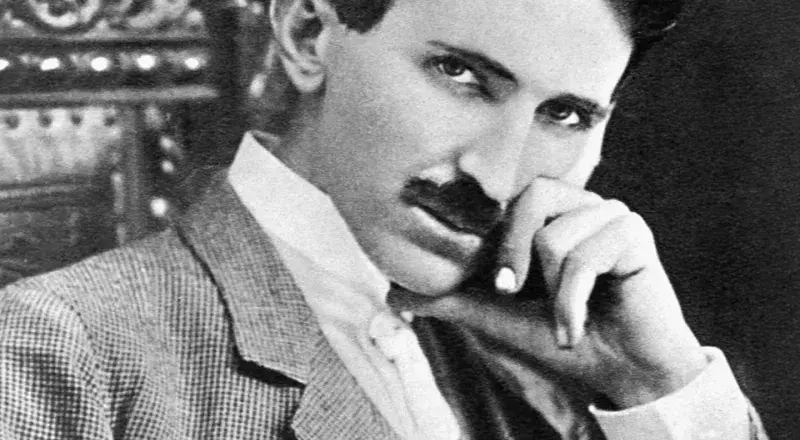
Tesla: experiments in wireless power started over a century ago
Nikola Tesla (best known for developing AC electricity) first experimented with wireless electricity at the start of the 20th Century.
What benefits could wireless electricity have?
The technology could transform how energy is distributed across the electricity network, with potential benefits including:
Faster and more flexible grid connections with less impact
For renewable generation, such as wind farms, and for temporary use for construction sites and large events such as festivals.
Improved network resilience
Providing temporary or emergency power during planned maintenance, storms and outages, helping to restore supplies more quickly during storms, and keeping the lights on for customers.
Reduced impact on natural landscapes
Long-range transmission using antennas, repeaters, and receivers could reduce the footprint and ‘visual impact’ of networks’ infrastructure, with less need for overhead lines and cabling.
Lower operational costs for systems and consumer savings
Reinforcing the network without the need for major infrastructure works, reducing costs and energy bills for customers.
Connecting to remote locations and hard-to-reach areas
Distributing power to or from locations where installing underground cables or overhead lines is difficult, expensive, or environmentally sensitive.
How does wireless electricity work?
Wireless power transmission methods can be split into two categories, differing by the distance over which power can be transferred efficiently, and whether the transmitter must be aimed directly at the receiver:
‘Near-field’ techniques for short distances such as mobile phone charging and electric toothbrushes. Power is transferred by magnetic fields using inductive coupling* between coils of wire.
Radiative techniques for longer distances, where power is transferred by beams of electromagnetic radiation, like microwaves or laser beams – these are the techniques being explored by National Grid.
What is National Grid doing to help develop wireless electricity?
We’re exploring the potential of wireless electricity as part of our commitment to exploring innovative technologies that can further increase reliability and keep pace with growing demand.. National Grid Electricity Distribution’s wireless power transmission project aims to investigate whether ground-based wireless technology can supplement or even replace conventional overhead lines and underground cables.
This project will assess how wireless transmission can improve network resilience, speed up grid connections, and provide emergency power during disruptions such as storms.
The project involves us working in partnership with Space Solar, and is being funded by the Strategic Innovation Fund, an Ofgem programme managed in partnership with Innovate UK.
Is wireless electricity safe?
Wireless power transmission uses non-ionising microwave energy within internationally-regulated frequency bands. The safety of the technology is at the forefront of all research in this field, with particular consideration given to international safety standards regarding electromagnetic field (EMF) exposure.
The antenna will send a straight microwave beam (think of a laser beam, but at a frequency that’s not visible). Because the beam is so focused and uses 5.8 GHz frequency, it shouldn’t spread out much or lose much energy in the air, so the receiver should pick up almost all of the signal.
The antennas will be mounted high up, like existing overhead lines, and there will be a safety system (a “curtain”) that cuts the beam if something gets in the way. This makes it very unlikely anyone would be hit by the beam, and if someone was briefly exposed, any tiny, momentary heating effect wouldn’t be harmful.

Wireless power transmission project
Watch the video about National Grid Electricity Distribution's wireless power transmission project
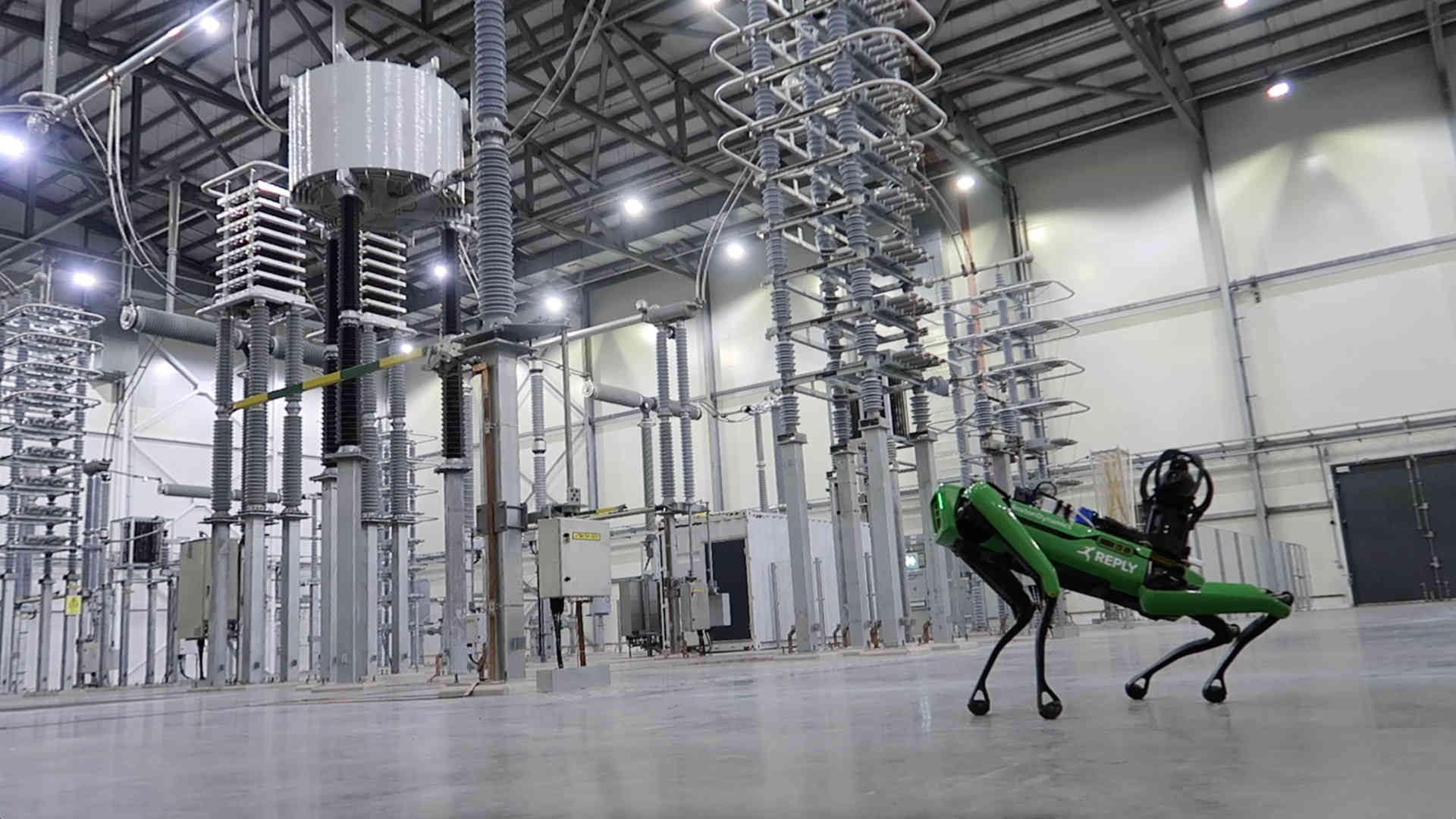
Innovation at National Grid
Find out more about our investments in innovation and projects to accelerate decarbonisation and reduce costs for consumers.
Innovation at National Grid
Where does electricity come from?
Discover how electricity makes the journey from the generator to your home
Where does electricity come from?
*Power is transferred by inductive coupling, where alternating current in one coil of wire creates a changing magnetic field which induces electricity in another coil of wire, without them touching.