
National Grid seeks views on new Derbyshire power line project
More detailed proposals including a proposed route alignment and indicative locations for pylons are being presented for the Chesterfield to Willington project. The project will support both the East Midlands and the UK’s transition to a home-grown, cleaner, more secure energy system from more affordable sources.
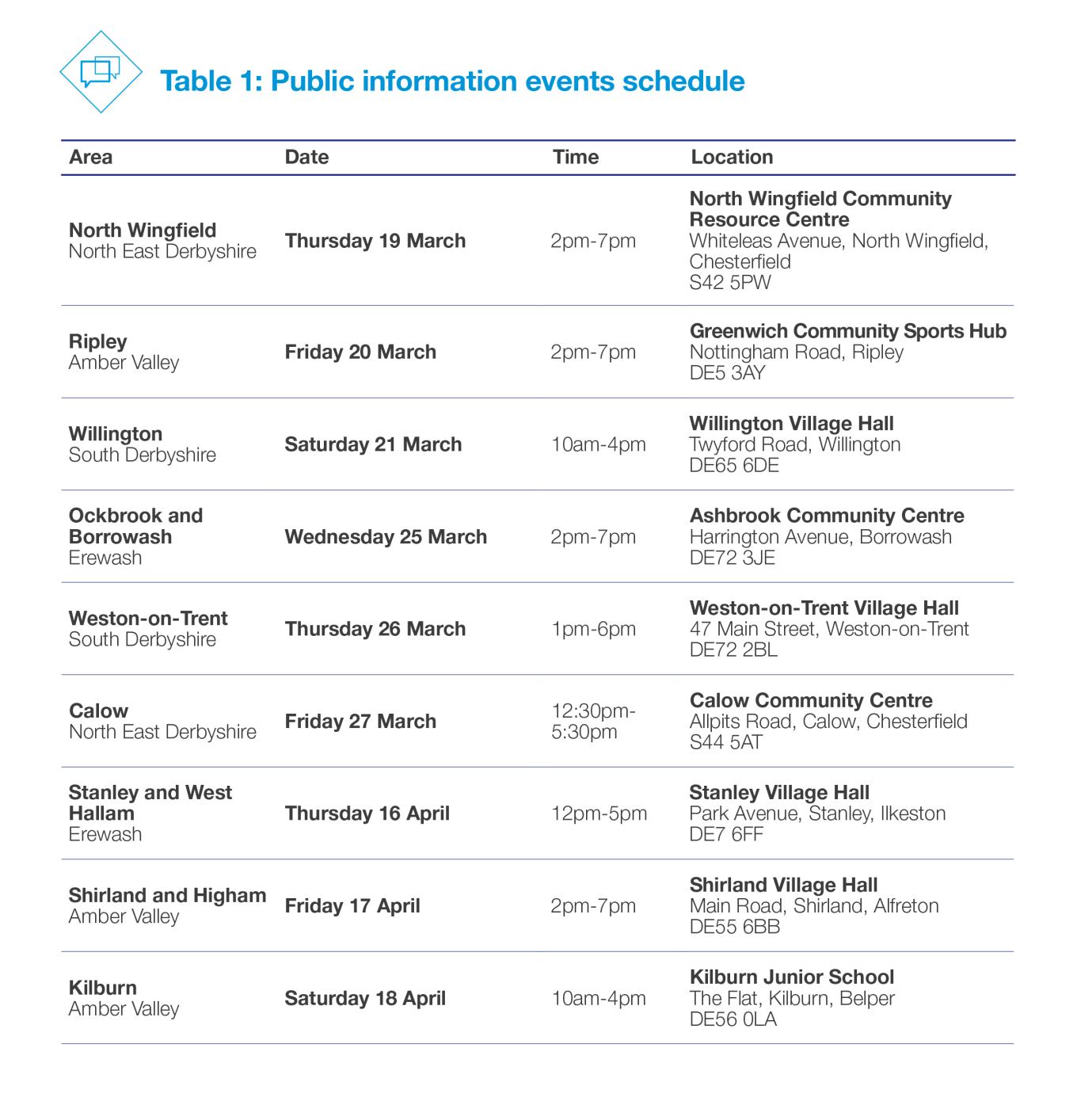
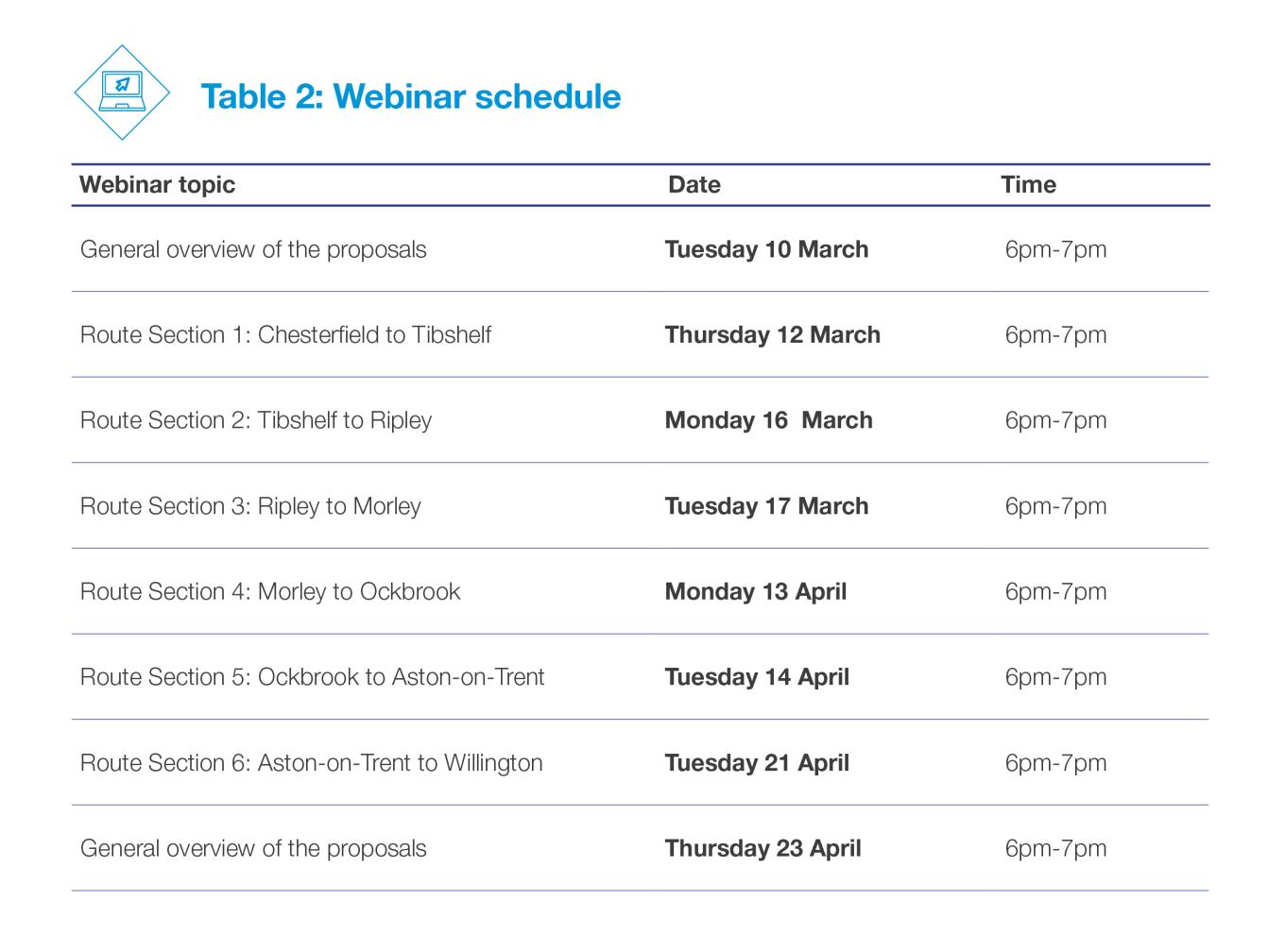
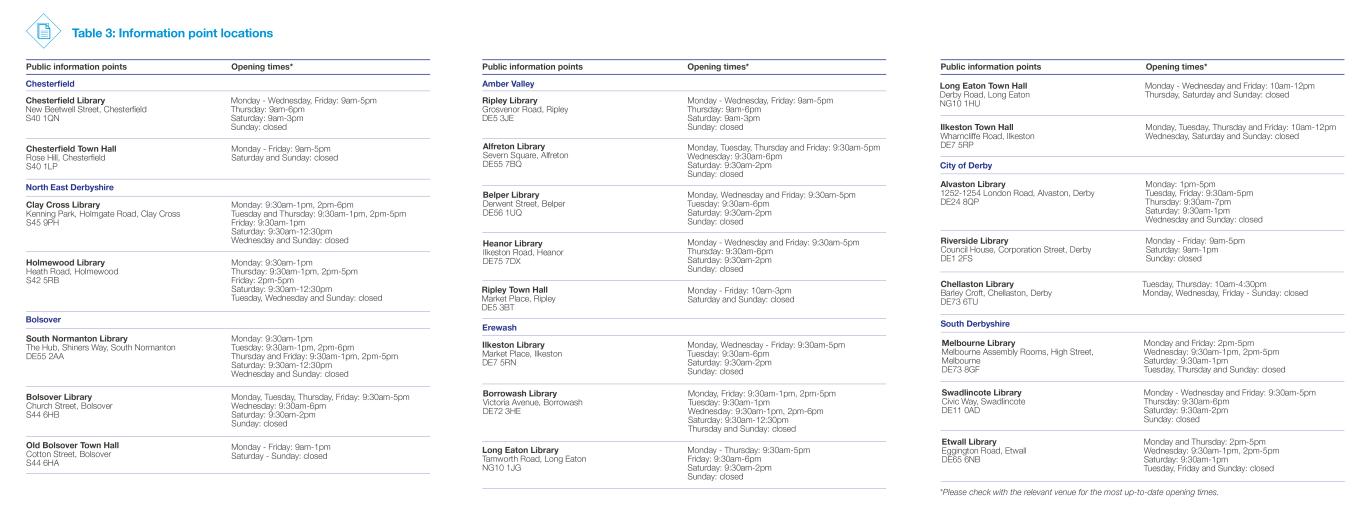
National Grid is inviting communities across Derbyshire to take part in the second stage of consultation of its Chesterfield to Willington electricity transmission project, part of The Great Grid Upgrade - the largest overhaul of the UK’s electricity network in generations. The eight-week consultation will run from Tuesday 3 March to Tuesday 28 April and builds on feedback received during the first stage of consultation.
More detailed proposals including a proposed route alignment and indicative locations for pylons are being presented, to support both the East Midlands and the UK’s transition to a home-grown, cleaner, more secure energy system from more affordable sources.
What has changed since the first consultation
Following analysis of local feedback and further technical and environmental assessment, National Grid is now consulting on a more defined proposed route for the new high voltage power line, as well as proposals for a new substation at Chesterfield.
Key updates include:
- Identifying and sharing a more detailed route for the overhead line between Chesterfield and Willington
- Presenting an alternative route option between Astwith and Alfreton, to the east of the area previously shared during the first consultation, avoiding sensitive locations such as the River Amber valley, Ogston Reservoir and nearby listed buildings including Ogston Hall
- Proposals for a new high voltage substation in the Chesterfield area, located close to the existing Chesterfield Substation
What the updated proposals include
During this Stage 2 consultation, National Grid is seeking views on:
- a new 400 kV overhead line, approximately 60 kilometres in length, between a new substation in the Chesterfield area and the existing Willington Substation
- a new 400 kV Chesterfield Substation, to be built in the vicinity of the existing 275 kV Chesterfield Substation and the existing 132 kV National Grid Electricity Distribution substation
- replacement of short sections of existing overhead line and local changes to the lower-voltage distribution network to facilitate construction, and
- other works required to deliver the project, such as temporary access roads, highway improvements, construction compounds, utility diversions, and drainage.
The project will also include land for environmental mitigation and enhancement, delivering at least 10% Biodiversity Net Gain, ensuring local habitats are left in a better state than before any work started.
Why the project is needed
How electricity is generated and used in the East Midlands and Great Britain is changing rapidly. More electricity now comes from renewable sources, including significant growth in offshore wind in Scotland and the east coast of England. At the same time, our demand for electricity is expected to increase significantly and is forecast to double by 2050 as homes, businesses, public services, transport, and industry increasingly switch to electric power.
The existing electricity transmission network in the region was largely built in the 1960s to connect coal and nuclear power stations and was not designed for today’s power sources or future demand. Small-scale changes alone are not enough. A stronger network is needed to carry increasing volumes of clean, home-grown electricity from where it is generated to where people live and work, including here in the East Midlands.
Chesterfield to Willington forms part of The Great Grid Upgrade, the largest overhaul of the electricity network in generations, helping to strengthen energy security by connecting home-grown energy from more affordable sources.
Benefits for local communities
Communities that host new electricity infrastructure should benefit from doing so. Millions of pounds will be available to support local communities and the wider area, and National Grid is keen to hear views during the consultation on how this funding could best be used.
Across the East Midlands, National Grid will also build partnerships and invest in skills, employment, and supply chain opportunities, aiming to leave a positive socio-economic legacy alongside reliable grid infrastructure for the region.
National Grid Project Director Leanne Evans said: “Feedback from our first consultation has directly shaped these updated proposals. We’re now presenting a more defined route with indicative pylon positions, alongside an alternative option to the east.
“Our investment will help ensure communities across the East Midlands have the reliable electricity they will increasingly depend on. As demand grows, an upgraded network is needed to support everyday life, local businesses, and future jobs, while enabling more secure, cleaner, home-grown energy from more affordable sources. We also want host communities to see clear benefits, including funding for local projects, skills, jobs, and environmental improvements.”
East Midlands Chamber Director of Policy and Insight Richard Blackmore said: “Ensuring energy provision is clean, reliable and can meet the increasing demand of tomorrow is essential in driving growth. Business, communities and the wider supply chain that depend on consistent electricity need a service that is future-ready and they know will consistently deliver.
“I would urge people to add their voice to the plans before the consultation period ends so they can play a part in securing solid energy provision for the future that works for their needs and helps the region thrive.”
The Chesterfield to Willington project is classified as a Nationally Significant Infrastructure Project and will require a Development Consent Order. An independent panel of inspectors will examine the application and make a recommendation to the Secretary of State for Energy Security and Net Zero. If approved by Secretary of State construction is expected to begin in 2029, with the project becoming operational in 2031.
The updated proposals can be viewed on the project website from 12pm on Tuesday 3 March.