


Nature
The construction and maintenance activities that we undertake to provide reliable and clean energy inherently have an impact on the natural environment. In response to our awareness of these impacts, we’ve implemented a nature program to preserve and restore natural landscapes where possible.
There are significant differences in habitats and biodiversity across the geographies where we operate. Considering this, we’ve aligned our approach to nature with regional priorities. In the UK, our focus is on restoring the natural environment. In the US, our focus is on preserving the natural environment.
Nature metrics and how they’re measured
Our UK target is to restore the natural environment by 10% on the land we manage. We use a natural capital approach to measure the impact of improvements we make on the non-operational land at our own sites based on financial value estimations. This allows us to capture changes in ecosystem services and demonstrate gains for the environment at a site level. Only the activities undertaken by our Electricity Transmission business feed directly into this target, but all our business units are taking action on nature. The case studies below show some of the activities in other parts of our business.
Our US metric captures preserved acres that we manage across our electric and gas businesses. These categories include rare, threatened and endangered species protection, wetland mitigation, and vegetation enhancement. A live tracker allows us to capture projects within these categories that are material to protecting our natural resources.
We’re working on developing a new metric that will be used by all business units.
Our nature work in the UK
In the UK, our regulatory plans include ambitious nature and biodiversity restoration targets that go beyond statutory compliance, reflecting our strong commitment to environmental stewardship. In Electricity Transmission, we manage around 1,800 hectares of non-operational land in the UK, including hedgerows, ancient woodland, wildflower meadows, wetlands grasslands and peat bog. We committed to improving its environmental value by at least 10% by 2026. Since 2020/21, we have achieved a 15% increase. In our final year of the RIIO-T2 Environmental Incentive (2025/26), we delivered a further uplift by introducing nine new strategic partnerships and expanding one existing agreement.
Additionally, nature and climate are intrinsically linked and our nature and carbon teams have worked with UK procurement to develop and Carbon and Nature Framework. This framework brings together a wide range of organisations across three key areas, and includes national charities, joint ventures and commercial organisation that can help us achieve our carbon and biodiversity commitments. We are excited to work with these partners to contribute to nature and climate recovery as well as delivering local community benefits wherever possible.
In Electricity Distribution, we are committed to 10% net gain in biodiversity for new major projects and for selected primary and grid substation sites. We also have a number of projects in our Electricity Distribution business, including a six-year partnership agreement with Heart of England Forest to support woodland management and restoration in our West Midlands license area.
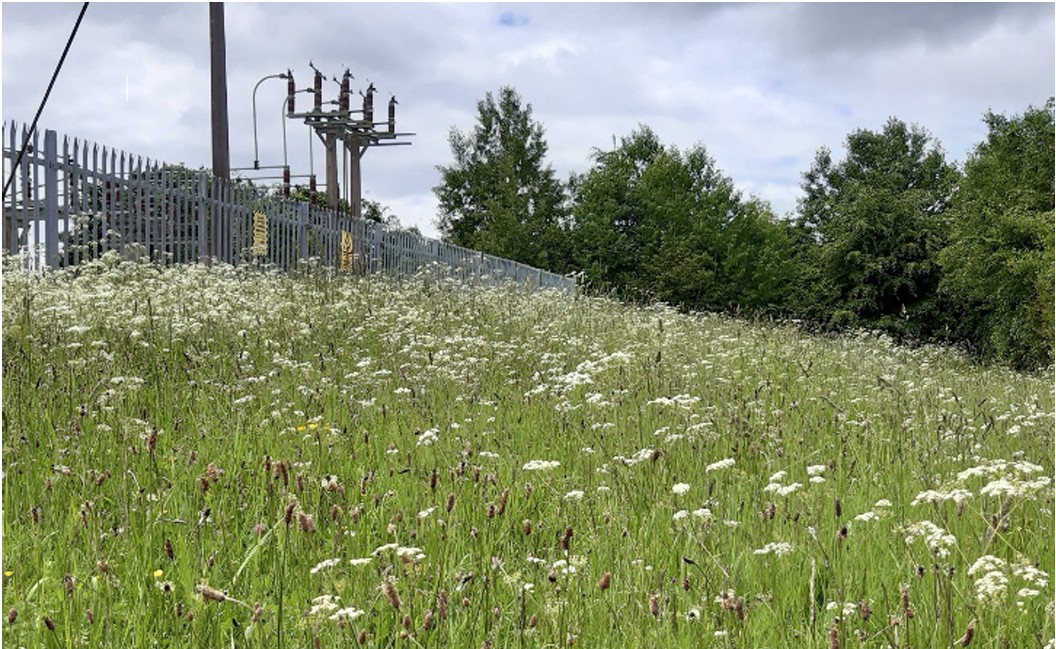
Habitat Management at Cheltenham Substation
National Grid Electricity Distribution (NGED) selected Cheltenham substation for a habitat management pilot project.
Habitat Management at Cheltenham Substation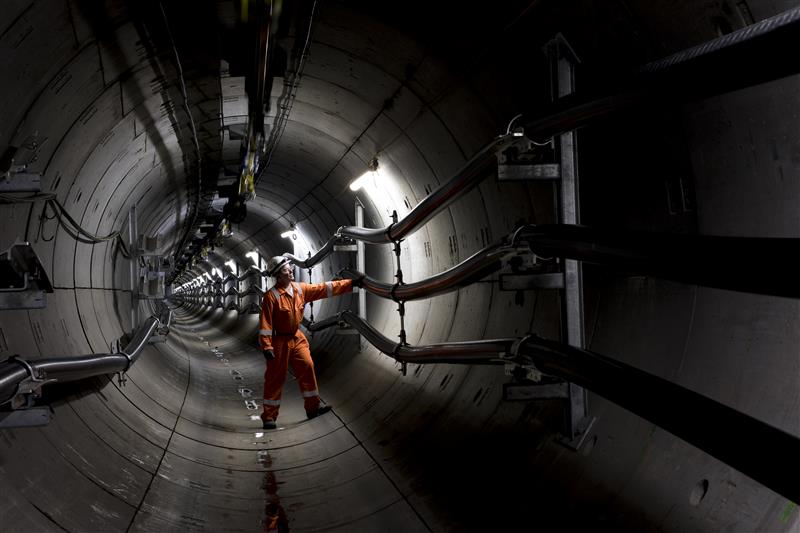
Using tunnelling spoil to support habitat restoration
We transported over 400,000 tonnes of tunnelling spoil from our London Power Tunnels 2 project to Pitsea and Hermitage Quarry to support habitat restoration.
Using tunnelling spoil to support habitat restorationOur nature work in the US
In the US, we continue to pursue projects that support our preservation goals. We utilise Integrated Vegetation Management to promote stable, low growing plant communities that resist invasives on our rights of ways, allowing us to reduce mowing. We also have a number of programs to support pollinator initiatives and species conservation.
In 2025, we brought our BioAudit study to the next level with scientists and experts from ACRT Services helping us assess the habitat quality of our rights-of-ways. Our sites play an important role in enhancing plant biodiversity and ensuring that pollinators and wildlife have a place to call home. The data from the on-site assessments that we are conducting will enable us to proactively plan and take measures to improve habitat. Learn more about our BioAudit and work on our transmission corridors here.
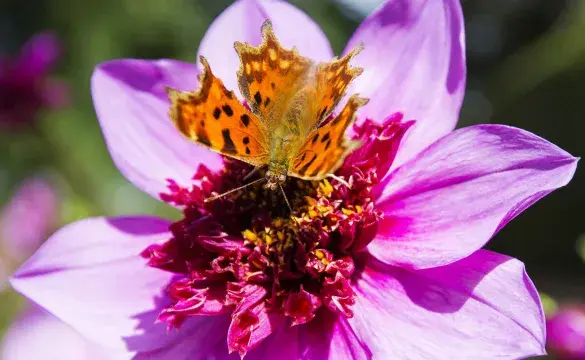
Exploring Nature-Based Design at Our Substation in Massachusetts
National Grid's Sustainability team completed a nature-based solution pilot with Jacob's Engineering, Biomimicry 3.8 and EMX on a substation rebuild in Massachusetts.
Exploring Nature-Based Design at Our Substation in Massachusetts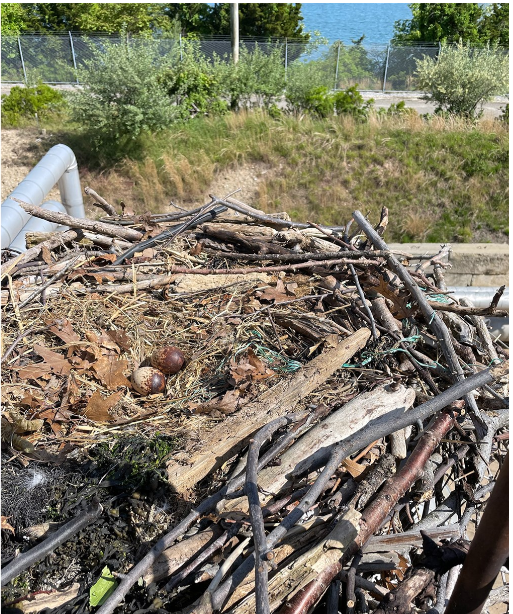
Protecting wildlife at Northport Power Station
Our 250-acre property at Northport Power Station acts as a sanctuary for raptors, turkeys, deer and more.
Protecting wildlife at Northport Power Station