



Where is The Great Grid Upgrade happening?
Learn more about the projects shaping The Great Grid Upgrade. Explore proposals in detail and take part in local consultations to have your say about how they develop.
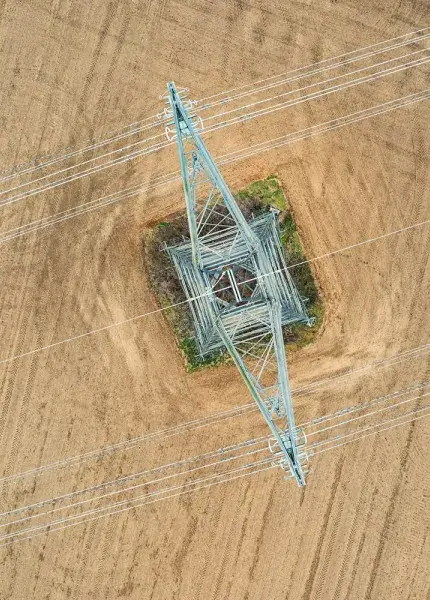
Upgrades near you
Explore the map to find information about our current projects, including our consultation events. If a project is taking place in your local area, you’re welcome to come along, find out more and tell us what you think.
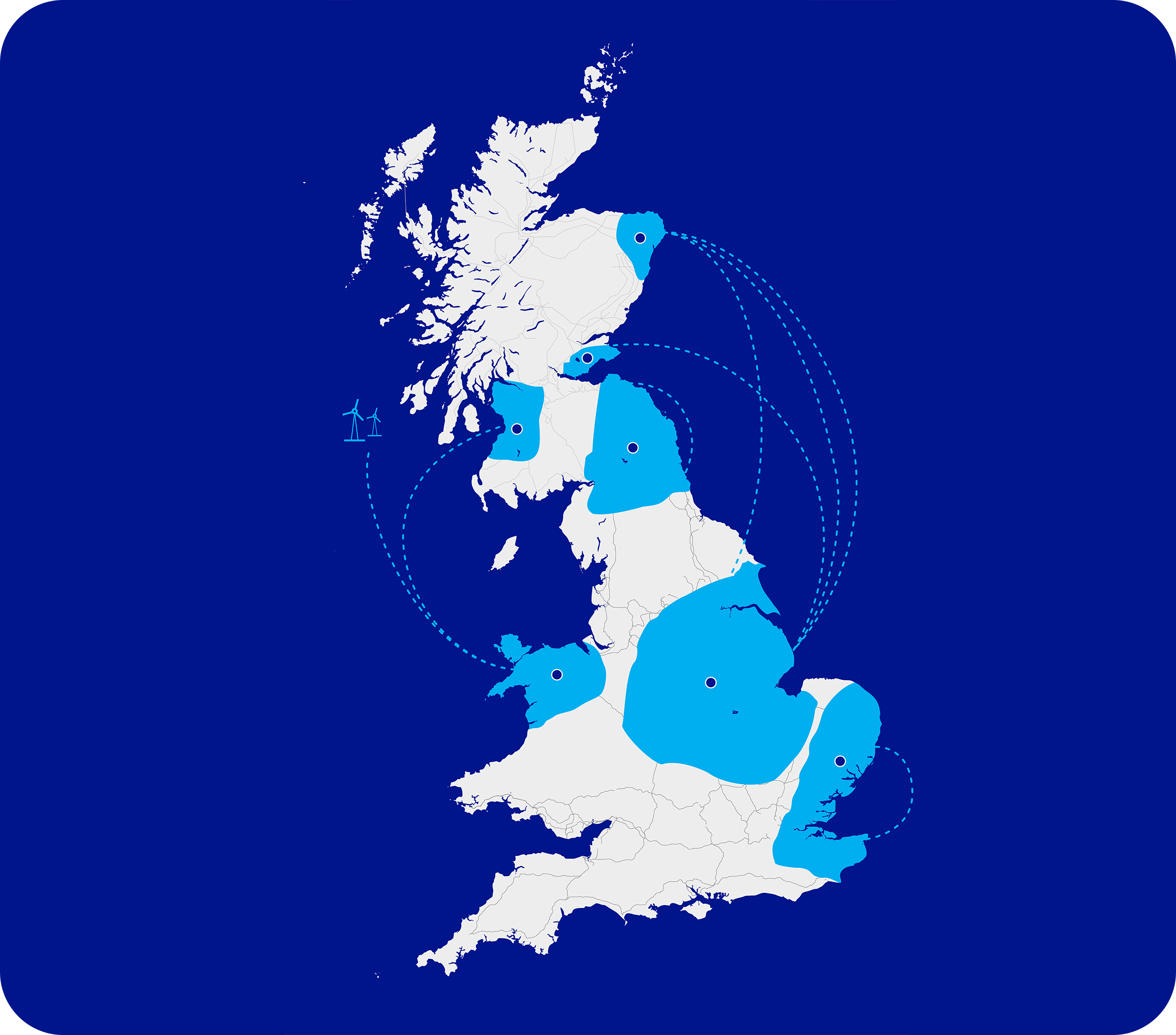
Wider activity
National Grid is at the heart of the UK’s energy transition, with a plan to invest around £31 billion in our electricity transmission network over the next five years to 2031.
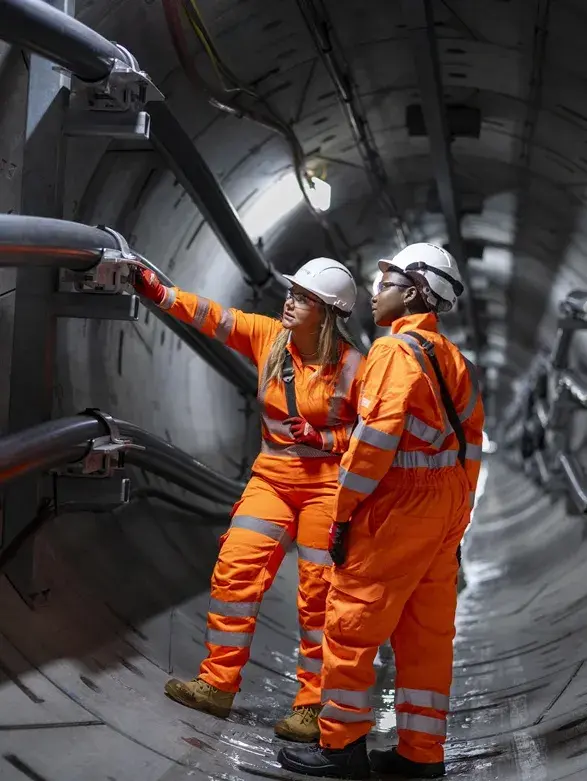
What are we upgrading?
Our projects fall into three broad categories: new offshore and marine links, new onshore infrastructure, and upgrades to existing infrastructure. Together, they'll help us move more clean energy from more affordable sources around the country.
Take a look at the types of technology we’re using below.
FAQs
Your questions about the upgrades
1. To connect new clean sources of power
The UK’s electricity grid was originally built to connect the coal- and gas-fired power stations that were built on the coal seams that ran down the centre of the country, through the industrial heartlands of the north of England and the Midlands.
Because we're now getting more power from renewable sources, this needs to change. So significant new infrastructure is needed to connect this renewable energy from where it’s generated to where it’s needed.
In particular, the extra energy that's generated offshore will need to be brought inland, which means new transmission lines are needed in order for this offshore energy to be used for powering UK homes and businesses.
2. To transmit more clean electricity around the country
Not only are Britain’s methods of generating power changing dramatically, but demand for electricity is expected to increase by 50% by 2035 and double by 2050*, as we decarbonise the energy used for things like heating and transport.
The UK has committed to connect 40GW of offshore wind to the electricity grid by 2030, making 50GW in total to meet government targets. That’s nearly enough to power every home in Great Britain** and is equivalent to taking 5.2 million petrol or diesel cars off the road, or the carbon absorption of 509 million trees over one year.***
That means our network of cables, pylons and substations will need to transmit this renewable energy from where it’s generated to where it’s needed – our homes, businesses, and communities.
The existing infrastructure simply doesn't have the capacity to transport the volume of cleaner energy that will be generated. As a result, we need to upgrade our electricity network.
The country’s electricity grid was originally built with the purpose of transmitting electricity created from coal- and gas-fired power stations. But as the UK moves away from fossil fuels and increases clean energy generation, we’ll all be using more electricity than ever before to power our homes, businesses and transport.
This means that we’ll need to build significant new electricity transmission infrastructure, as well as making other changes to our grid, to help the UK transition to a cleaner energy future.
This includes new infrastructure to bring energy that’s generated offshore – like out in the North Sea by wind turbines – inland in order to connect it to the grid.
Put simply, power from the wind and sun is cheap, much cheaper than imported gas. A recent study found that solar and wind energy are now the most affordable sources of new electricity in 82% of the world.
Continuing our progress towards green electricity is the most effective way to ensure energy security and affordability. We’ll be less reliant on importing expensive gas to generate electricity and can use cheaper home-grown renewable power instead, leading to more affordable energy bills in the long term.
Even when you switch to a green tariff – one that promises 100% renewable electricity, or some renewable gas – the amount of renewable energy flowing into your home doesn't change. With these tariffs, your supplier will generally buy enough renewable energy to cover what you use to fund future production, or it invests in schemes to offset carbon emissions produced from the energy you use, such as planting trees.
In order for more renewable energy to be provided to homes in England and Wales, we need to upgrade the electricity grid.
A lot of the clean energy will be from renewable, natural sources such as wind, solar and hydro (water) power.
Another source of clean energy is via high-voltage undersea cables known as interconnectors, which connect the electricity systems of neighbouring countries and allow them to share surplus power. This ensures that any renewable energy isn’t wasted and makes for a greener, more secure power system at both ends.
By upgrading the electricity network, we can connect more renewable energy sources and transport clean electricity around the country more efficiently. This will help support a secure, reliable and flexible energy system for the future. National Grid does not set energy prices or bill customers directly, so we cannot determine the overall impact on household energy bills. However, all network investment is independently reviewed by Ofgem, and strengthening the network can help reduce inefficiencies that add costs to the energy system.
As we continue to reduce our reliance on fossil fuels and increase clean energy generation, we’ll be using more electricity than ever. Things that are currently powered by gas such as heating and cooking will be powered more and more by electricity that’s generated from cleaner sources. That means we’ll need a grid that’s able to carry all this extra electricity to wherever we might need it.
In the community
You can find information about Great Grid Upgrade projects happening in your area by navigating the interactive map at the top of this page. This includes details of consultation events, so if you see a project is taking place near you you’re welcome to come along, find out more and tell us what you think.
Where we’re building new, above-ground infrastructure, we'll deliver dedicated community funds for the areas closest to our works. Funds range from £200,000 into the millions, depending on the type and scale of the project.
Shaped by the community, for the community, these funds will be designed to reflect local needs and developed in line with government guidance. You can find out more on our Community Funds page.
Keep up to date
To find out more information about The Great Grid Upgrade, register for updates or follow us on social media.