




We're working hard all year round to keep the UK's energy networks maintained and resilient, especially in preparation for the winter months.
Find out how we're taking care of the energy systems this winter, as well as tips and advice for what you can do too.
Looking for information about our winter activity in the US? Visit the National Grid US website

10 tips to save energy in your home this winter
According to the Energy Saving Trust, a typical UK home could save up to £356 a year on bills by making simple changes to the way you use energy. Here are 10 practical ways to reduce your energy usage and your bills.
10 tips to save energy in your home this winter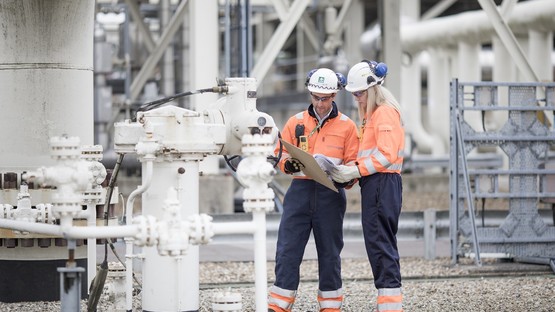
We’re preparing for winter all year round
Making sure your electricity supply is reliable over winter is one of our top priorities, and that doesn’t just start when the weather turns cold. Read about the different ways we’re preparing for winter all year round.
We’re preparing for winter all year roundExtra support for those in vulnerable situations
If you’re dependent on your energy supply
If you have additional needs because of your medical or personal circumstances, make sure you sign up to your local network operator’s Priority Services Register. This is a free service that provides support including when there’s an interruption to your electricity, gas or water supply.
More about the Priority Services Register
If you’re having trouble paying your energy bills
If you’re struggling to afford your energy bills or top up your prepayment meter, you may be eligible for financial support through Citizens Advice.
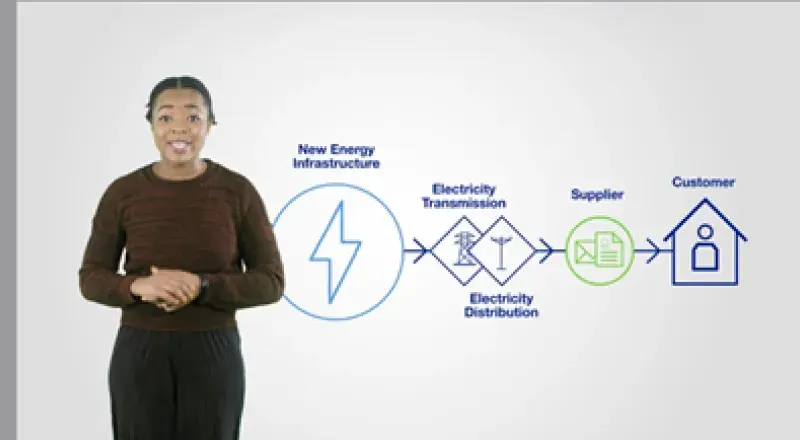
What role does National Grid play in my energy bill?
We receive a lot of questions about how your household energy bills are made up, and which parts of your bill relate to National Grid. The bill you receive from your energy supplier is made up of a number of separate charges. Some of these charges are based on the different stages through which electricity makes its way from the producers to your home, so we explain this journey and where National Grid fits in.

Power cuts
We answer your questions about power cuts – including what causes them, how to prepare, and who to contact if you experience one.
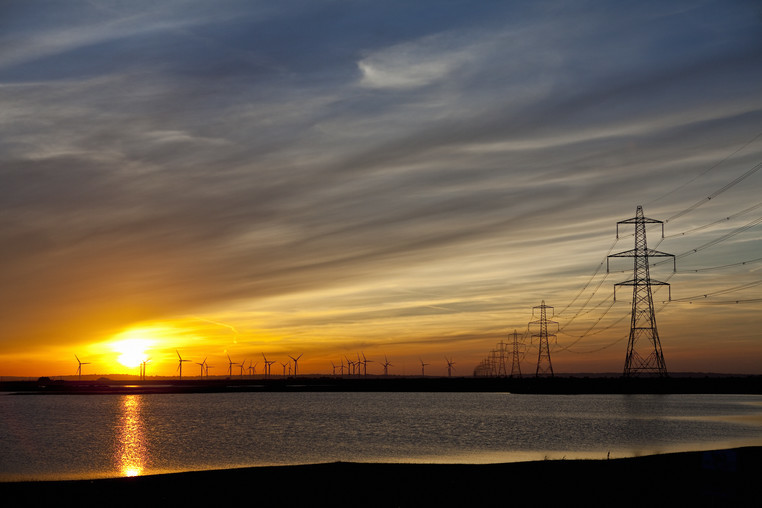
What does National Grid do?
We’re the largest electricity transmission and distribution business in the UK, delivering electricity safely, reliably and efficiently to the customers and communities we serve, while working towards a cleaner, greener energy future.
What does National Grid do?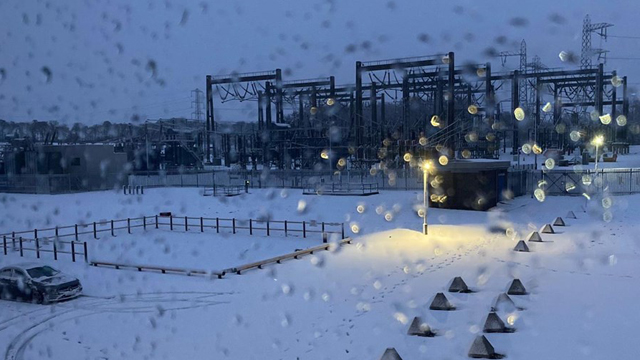
How we keep the electricity network protected during storms
As owners of the network in England and Wales, we have a number of approaches in place to deal with potential issues that severe weather might cause.
How we keep the electricity network protected during storms
Tips to prepare for a power cut
It's a good idea to think about how you could prepare for a power outage, as well as things to do during one, to make things easier for you and your family. Here are 12 tips to make sure you’re prepared for a power cut.
Tips to prepare for a power cut
Fighting fuel poverty in the UK and Northeast US
Being able to heat and power your home is an essential part of life. But when facing financial pressures and the increased cost of living, it can be difficult to meet energy bills. As we work to bring cleaner and more affordable energy to everyone, we’re tackling fuel poverty right now.
Fighting fuel poverty in the UK and Northeast US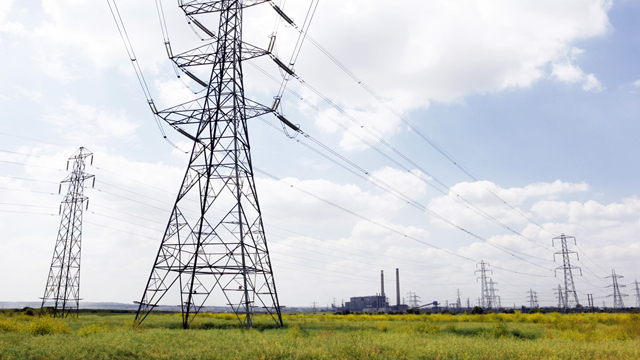
Where does electricity come from?
The journey of electricity isn’t quite as simple as getting from A to B. There’s a number of stages involved in getting it to your house or business in a way that’s efficient and safe. Find out how electricity gets from the producers to your plug socket.
Where does electricity come from?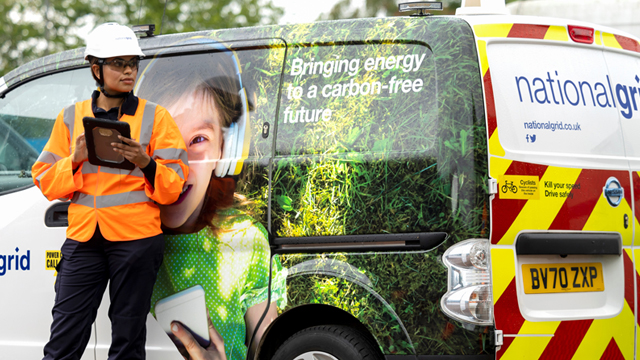
What’s the difference between electricity transmission and distribution?
Britain’s biggest regional electricity network is now part of the National Grid group – and it's become National Grid Electricity Distribution. So what’s the difference between our electricity transmission and distribution operations?
What’s the difference between electricity transmission and distribution?